
In this Attention Economy, is your L&D Strategy Failing You (and Your Workforce)?

As Used & Trusted


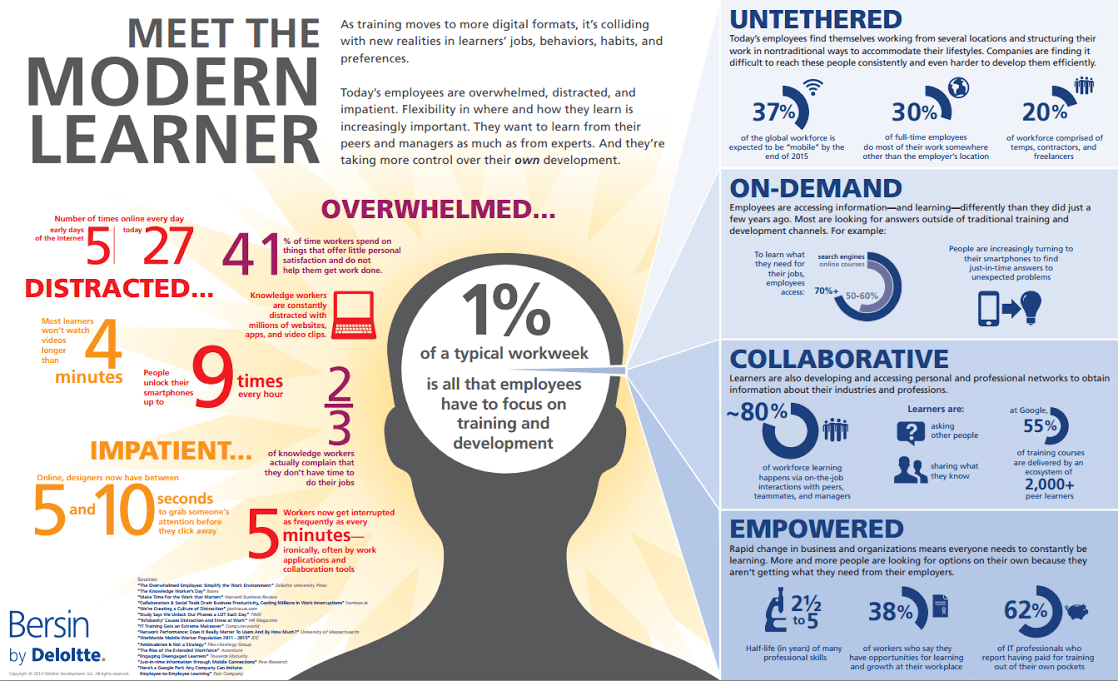
In today’s workplace, attention has become the scarcest resource.
Frontline employees are expected to complete more training than ever. Yet, training must fit into fragmented days, shifting rosters and operational demand — or it simply doesn’t happen.
Employees are navigating constant interruptions, operational priorities and digital noise. The result is a growing gap between what training people complete and what they retain and apply.
Content is No Longer King
Massive, monolithic content library subscriptions, hidden behind login screens create friction for busy employees.
These content libraries pull people out of their daily workflow, creating a cognitive "stop-start" effect. This doesn't just hinder learning; it increases cognitive load. When we bombard employees with information in massive "content dumps," we aren't training them, we’re drowning them.
Solving for Learner Intent
When an employee opens a browser, they usually have a "moment of need"—a specific problem to solve. eLearning often ignores this intent by forcing them through a 40-minute module to find 30 seconds of relevance. To win, we must meet people where they’re at.
This means transforming learning from a destination into a utility that resides exactly where the work happens. If the learning doesn't respect the learner's time or intent, the brain simply refuses to "save" the file.
The Science of Making it Stick
Most L&D programs focus on "The Event"—the workshop or the module completion. But the brain doesn't care about the event; it cares about survival and efficiency. If it doesn't use the information immediately, it deletes it. This is the Forgetting Curve in action.
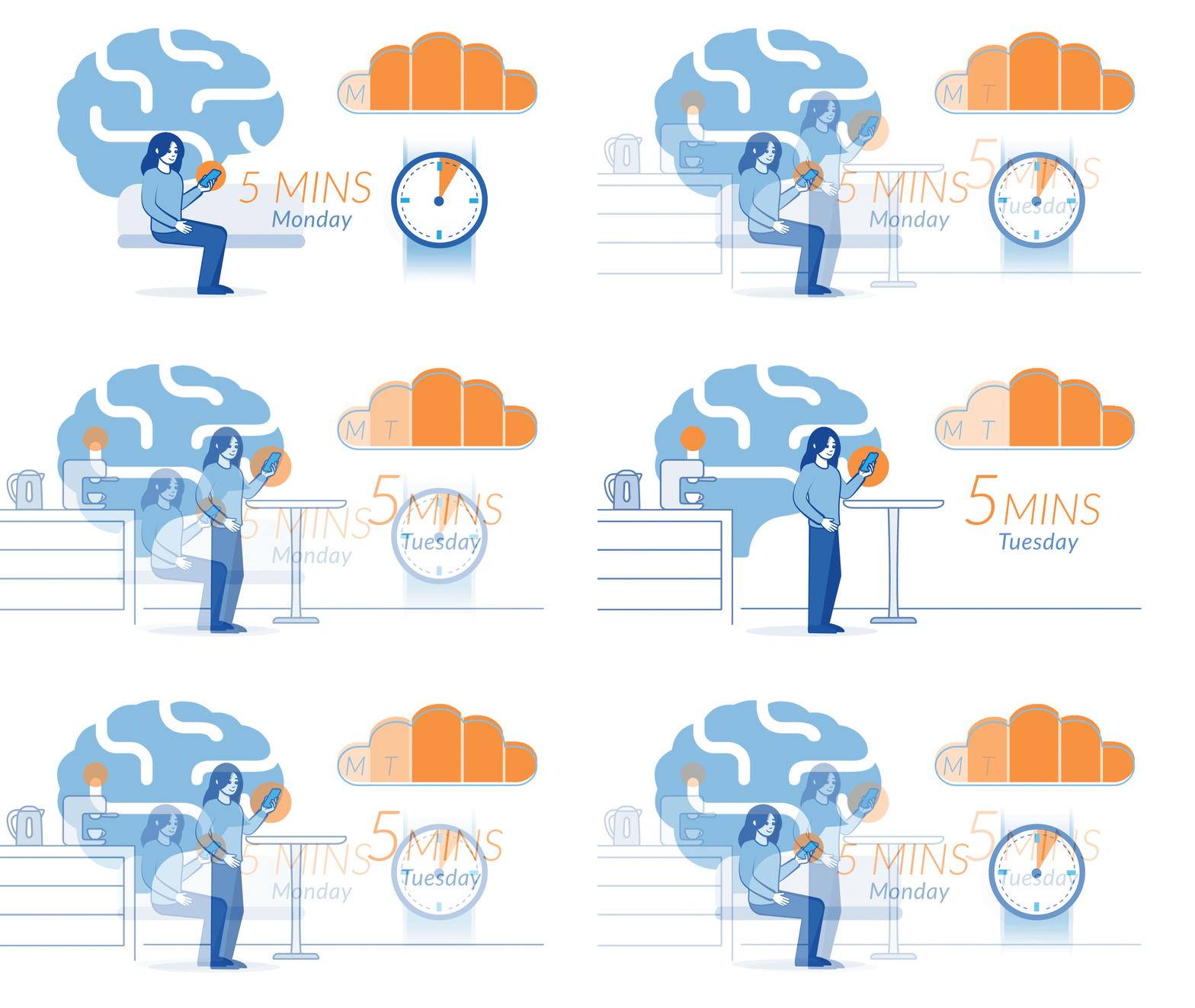
To make learning "stick," we must move beyond the "One-and-Done" philosophy. Real mastery is the result of Active Recall. We don't need our people to read more; we need them to retrieve more. By challenging the brain to recall information in short, frequent intervals, we move knowledge from short-term "noise" to long-term "muscle memory."
The Attention Hacks
To capture focus in a world designed to distract, we must adopt the tools that define the modern digital experience:
• Storytelling: Humans are hardwired for narrative. By replacing dry bullet points with relatable scenarios, we create an emotional "hook" that commands attention.
• Conversational learning: We need to replace static content screens with conversational learning interfaces. This modern chat experience mirrors how people already interact on social media and acts like a high performance coach in your pocket.
The Neuroscience: Why "Little and Often" Always Wins
At Forget Me Not®, we don’t just believe in microlearning because it’s "shorter." We believe in it because it meets the demands of the modern worker. Our platform is built on two evidence-based pillars:
1. The Spacing Effect: Information is retained significantly better when it is consumed in short bursts over time.
2. The Testing Effect: The act of being questioned on a topic creates deeper neural pathways than simply reading about it.
While traditional L&D settles for "completion rates," we focus on retention rates. When you deliver learning in 5-minute "micro-challenges," you aren't fighting the workday; you're fueling it.
The Path to Mastery
For those leading learning transformation, the goal must shift from measuring "vanity metrics" to measuring mastery. If you want a workforce that is competent and capable that actually remembers what they’ve been taught, you need to replace intensity with consistency.
For a deeper look at why consistency is the only way to drive long-term results, watch: Simon Sinek's talk on why you only win with consistency.
Blog Related


The 5-Minute Mentor: Evidence-based Learning Insights
Transform your team with monthly microlearning insights you can implement immediately.
